
Week Five
More About Thyatira
• Historical Context: Thyatira, a smaller city on a trade route, was a commercial hub in the Roman province of Asia.
• Cultural Significance: Known for textiles and dyes (e.g., purple dye), its trade guilds, tied to pagan rituals, pressured Christians. A Jewish community coexisted with Christians, like Lydia (Acts 16:14), tied to the dye trade.
• Key Features: Working-class, commerce-driven, with Christians balancing faith and economic participation.
• Geography and Road Connections: Thyatira lay on flat plains along the Lycus River, ideal for trade but defenseless. The Roman road to Sardis, about 35 miles (56 km) southeast, crossed flat, fertile lowlands, making it an easy ~1–2-day walk. The route was busy, connecting Thyatira’s textile trade to Sardis’s markets.
• Word Origin (etymology): The origin of Thyatira is unclear, but it may derive from a Lydian or pre-Greek Anatolian term, possibly meaning "daughter" or "citadel of Thya," though no definitive root is confirmed. Some suggest a connection to thygater (θύγατηρ, "daughter") in Greek, but this is speculative. The city was a commercial center, known for its trade guilds and purple dye (cf. Lydia in Acts 16:14).
• Symbolic Context: Thyatira’s church (Revelation 2:18–29) is commended for its works but rebuked for tolerating “Jezebel,” a false prophetess promoting immorality. The name’s obscurity may reflect the city’s lesser prominence compared to others, yet its trade context underscores the church’s entanglement with worldly practices.
• Post-Letter/Current Status: Thyatira, now Akhisar (population ~177,000), is a Turkish town focused on agriculture and commerce. Scattered ruins remain, but the Christian presence vanished under Islamic rule. Archaeological interest is minimal compared to Ephesus or Pergamum. No major 2025 updates, though local preservation efforts continue.
Thyatira – Roman Street of the Guilds
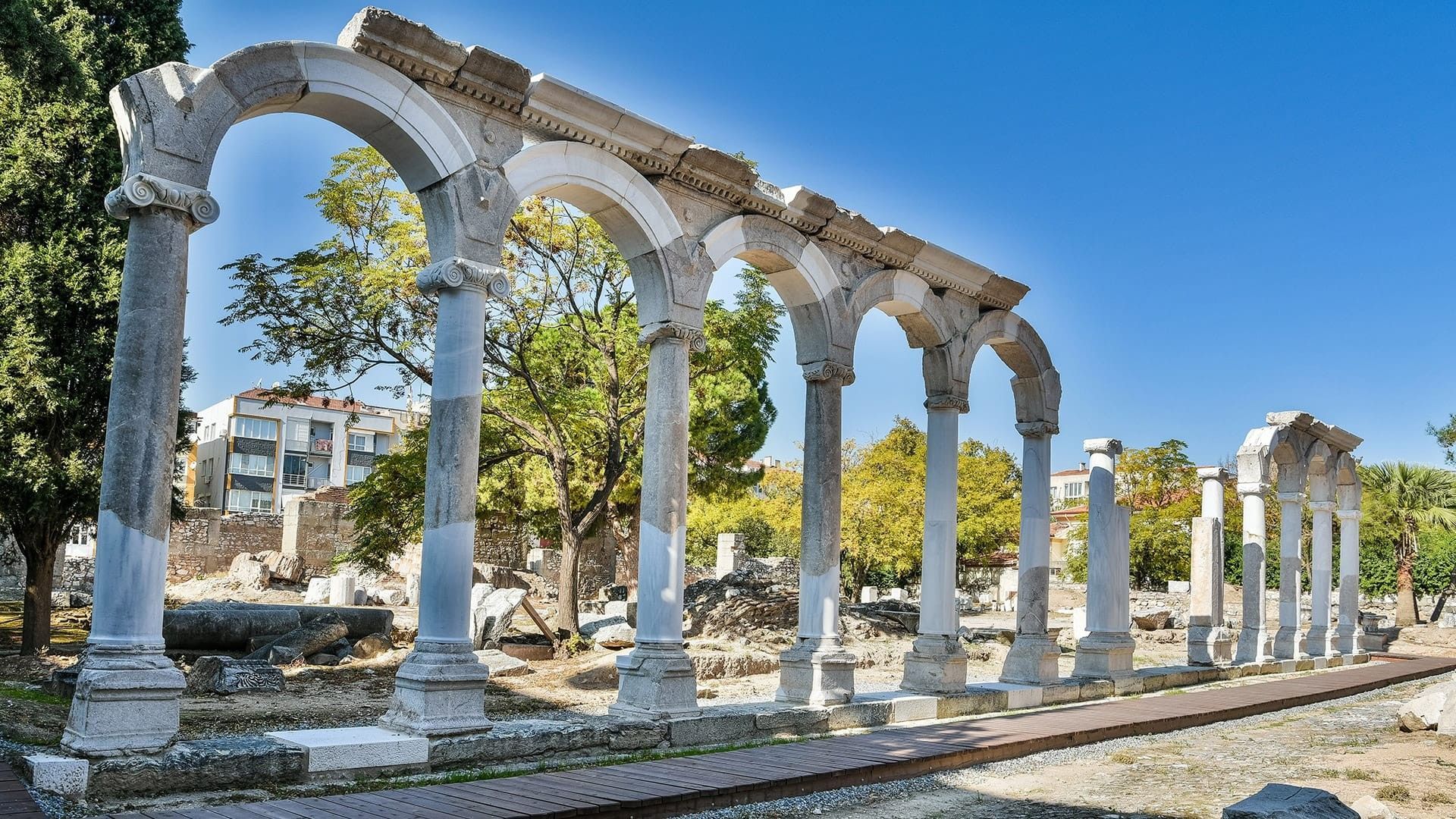
More trade-guild inscriptions here than anywhere else in Asia Minor. Every guild had a patron deity and mandatory idolatrous banquets.
Purple Dye Vats of Thyatira

Lydia (Acts 16) sold purple from these vats. Staying in business required bowing to the guild god.
Byzantine Church Ruins – Akhisar (Thyatira)
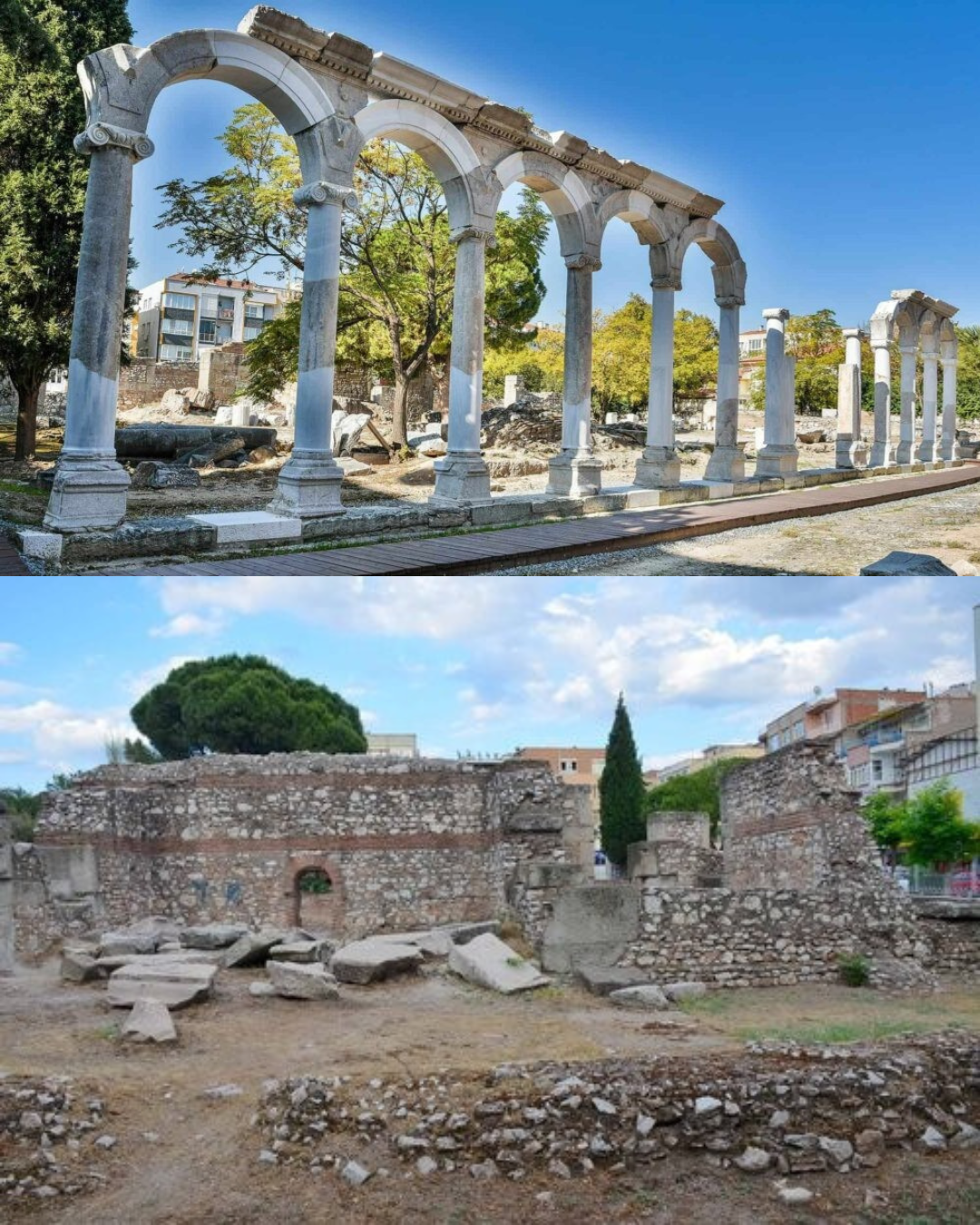
A 6th-century basilica stands where the church once wrestled with “Jezebel.” The battle for workplace purity is ancient.
Roman Emperor as Morning Star (second coin)
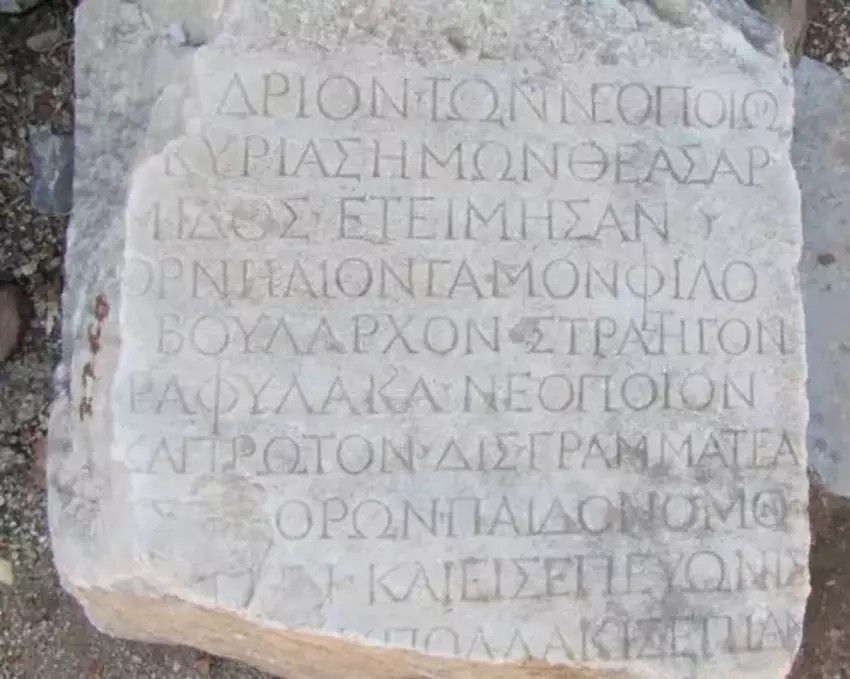
Domitian’s coins also displayed the morning star. Revelation ends with Jesus’ ultimate counter-claim: “That star you’ve been worshiping? That’s Me.”
The Iron Rod – Roman Fasces
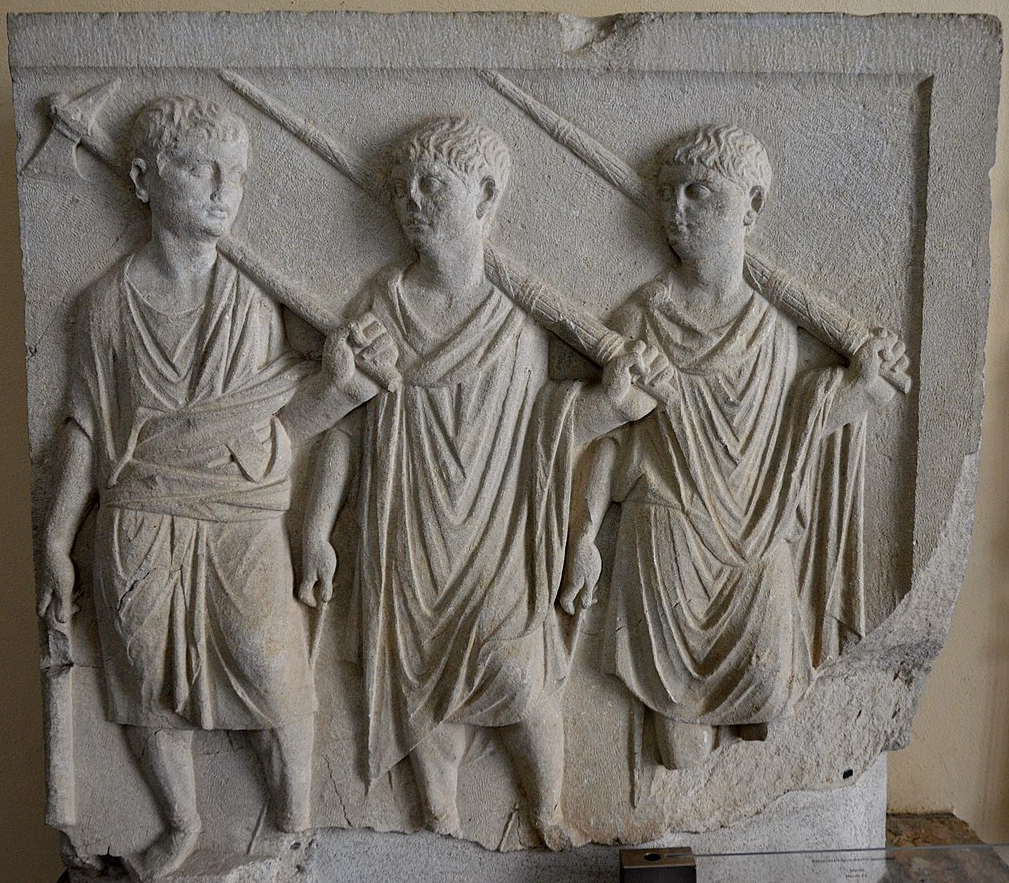
Lictors carried bundles of iron rods with an axe, symbol of absolute imperial authority. Jesus gives that same authority to overcomers who refuse compromise: “He shall rule the nations with a rod of iron.”
The Seven Overcomer Promises: From Tree of Life to Co-Reigning
The risen Jesus could have ended each letter with a generic “Well done” or “Be faithful.” Instead, He gives seven specific, escalating promises that form one of the most beautiful progressions in Scripture.
1. To Ephesus – “To the one who conquers I will grant to eat of the tree of life, which is in the paradise of God” (2:7)
The first promise takes us straight back to Eden. Sin barred the way to the tree; conquering through persevering love re-opens paradise. Everything begins with restored access to God.
2. To Smyrna – “Be faithful unto death, and I will give you the crown of life… The one who conquers will not be hurt by the second death” (2:10–11)
The martyr-church receives resurrection victory. The stephanos wreath (the same one carved on Smyrna’s Christian tombs) is placed on heads that refused to save their lives by denying Christ.
3. To Pergamum – “To the one who conquers I will give some of the hidden manna, and I will give him a white stone, with a new name written on the stone that no one knows except the one who receives it” (2:17)
Hidden manna = deeper sustenance than the guild-feast food they were pressured to eat.
White stone = Roman acquittal token, plus the intimate new name that only lovers share.
4. To Thyatira – “The one who conquers and who keeps my works to the end, to him I will give authority over the nations… and I will give him the morning star” (2:26–28)
The center of the chiasm carries the weight. Authority over nations (Psalm 2) and the Morning Star Himself (Rev 22:16). The longest letter gives the greatest promise.
5. To Sardis – “The one who conquers will be clothed thus in white garments, and I will never blot his name out of the book of life. I will confess his name before my Father and before his angels” (3:5)
The church with soiled clothes receives spotless robes. The church afraid of a dead reputation receives the ultimate security: Jesus Himself bragging on them before the Father.
6. To Philadelphia – “The one who conquers I will make him a pillar in the temple of my God… I will write on him the name of my God… and my own new name” (3:12) Earthquake victims who lived in tents become immovable pillars. God’s name, the city’s name, and Jesus’ own new name are tattooed on them forever.
7. To Laodicea – “The one who conquers, I will grant him to sit with me on my throne, as I also conquered and sat down with my Father on his throne” (3:21) The final promise is the most staggering. The lukewarm church that thought it needed nothing is invited to share the very throne of the universe with the One who conquered through the cross.
Look at the arc:
Access → Victory over death → Intimacy → Jesus Himself + co-ruling → Honor before the Father → Permanence → Shared throne.
Every promise is crafted to make every lesser reward look ridiculous. By the time we finish the seventh letter we realize nothing short of Jesus in His fullness will ever satisfy the human heart. That is why the Morning Star is placed in the exact center and then repeated at the very end of the entire book. Every other promise is a stepping-stone to the ultimate prize: Jesus offering Himself.
Discussion Questions
1. Which of the seven promises do you personally long for most right now?
2. How does seeing the promises as an escalating ladder change the way you read the rebukes?
3. Read Revelation 3:21 aloud. What does it do to your heart to realize Jesus wants to share His throne with you?