Week Three
More About Smyrna
• Historical Context: Smyrna, an Aegean port, was a loyal Roman ally with a history
of Greek colonization, strategically located for trade.
• Cultural Significance: Known for its stadium, theater, and library, it was a center of learning and commerce. A significant Jewish population coexisted with an early Christian hub, where Christians faced persecution due to emperor worship and local hostility.
• Geography and Road Connections: Ephesus was on the Aegean coast, with flat, fertile plains and a bustling harbor (now silted). The Roman road to Smyrna,
about 50 miles (80 km) north, followed the coast through flat terrain, passing smaller towns like Miletus. Travel by foot took ~2–3 days, with well-maintained roads facilitating trade and communication. The route was direct, hugging the coastline for ease of travel.
• Word Origin (etymology): The name Smyrna is linked to the Greek word for "myrrh" (smyrna or myrrha, μύρρα), a fragrant resin used in perfumes, incense, and burial practices (e.g., Matthew 2:11, John 19:39). The term may derive from a Semitic root, such as Akkadian murru or Hebrew mor, meaning "bitter" (due to myrrh’s taste). Alternatively, it could stem from a pre-Greek Anatolian place name.
• Symbolic Context: Myrrh’s association with suffering and death aligns with the church’s persecution and poverty (Revelation 2:8–11). The name may symbolize the church’s endurance through "bitter" trials, with a call to remain faithful unto death.
• Post-Letter/Current Status: Smyrna, now Izmir (metro population ~4.5 million),
remains a vibrant port and cultural hub. Thriving under Byzantine, Ottoman,
and modern Turkish rule, its Christian community diminished under Islamic rule. Izmir is now a bustling city with archaeological sites like the Agora, reflecting its ancient past, and a predominantly Muslim population. Recent 2025 updates include enhanced preservation of historical sites amid urban development.
Smyrna – Prison Cells in the Agora
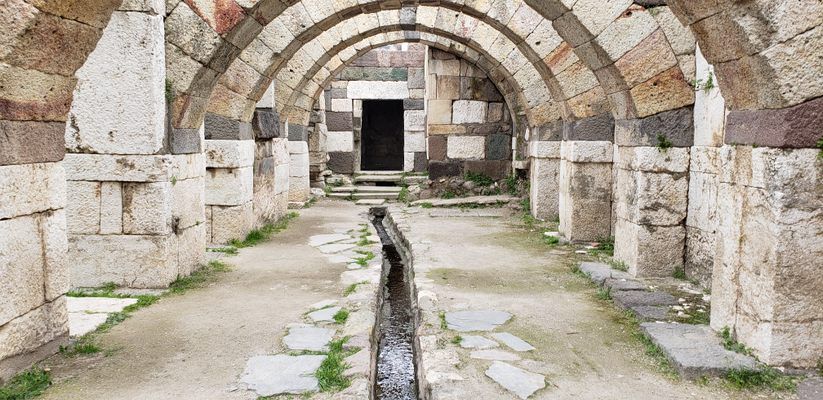
Dark underground cells in modern Izmir held Christians awaiting execution. Polycarp quoted Rev 2:10 here before being burned alive in AD 155.
Roman Stadium of Smyrna
Christians were burned as “torches” for Nero’s games. The “crown of life” Jesus promised was the same wreath given to victorious athletes, only theirs is eternal.
Crown of Life Grave Markers – Smyrna
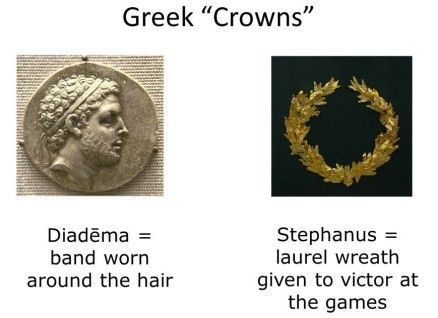
Early Christian tombs around Smyrna show the stephanos victory wreath, the exact crown Jesus promised to those faithful unto death.
More About Philadelphia
• Historical Context: Philadelphia, a smaller Attalid-founded city on a trade route, was prone to earthquakes, shaping its history.
• Cultural Significance: Known as “Little Athens” for promoting Greek culture,
it had a loyal Christian community facing opposition from local Jews. Its vulnerability fostered resilience among Christians.
• Key Features: Modest, culturally ambitious, with a faithful Christian community under external pressures.
• Geography and Road Connections: Philadelphia was in a fertile valley
near Mount Tmolus, vulnerable to earthquakes. The Roman road to Laodicea, about 40 miles (64 km) southeast, crossed hilly terrain and river valleys, including the Cogamus River, taking ~2 days on foot. The route connected Philadelphia’s agricultural hub to Laodicea’s trade networks.
• Word Origin (etymology): A clear Greek compound word: philos (φίλος, "friend" or "lover") + adelphos (ἀδελφός, "brother"), meaning "brotherly love" or "city of brotherly love." The city was named after Attalus II Philadelphus, who was loyal to his brother Eumenes II, reflecting the name’s meaning.
• Symbolic Context: Philadelphia’s church (Revelation 3:7–13) is praised for its faithfulness despite little strength, with an “open door” of opportunity. The name’s positive connotation of love and loyalty aligns with the church’s
• Post-Letter/Current Status: Philadelphia, now Alaşehir (population ~105,000), is a Turkish town of about 50,000. Earthquakes and invasions reduced its ancient prominence. Some Byzantine church ruins remain, but the Christian community vanished under Islamic rule. The town focuses on agriculture (grapes, raisins) with limited archaeological tourism. No significant 2025 updates reported.
Philadelphia – Earthquake City
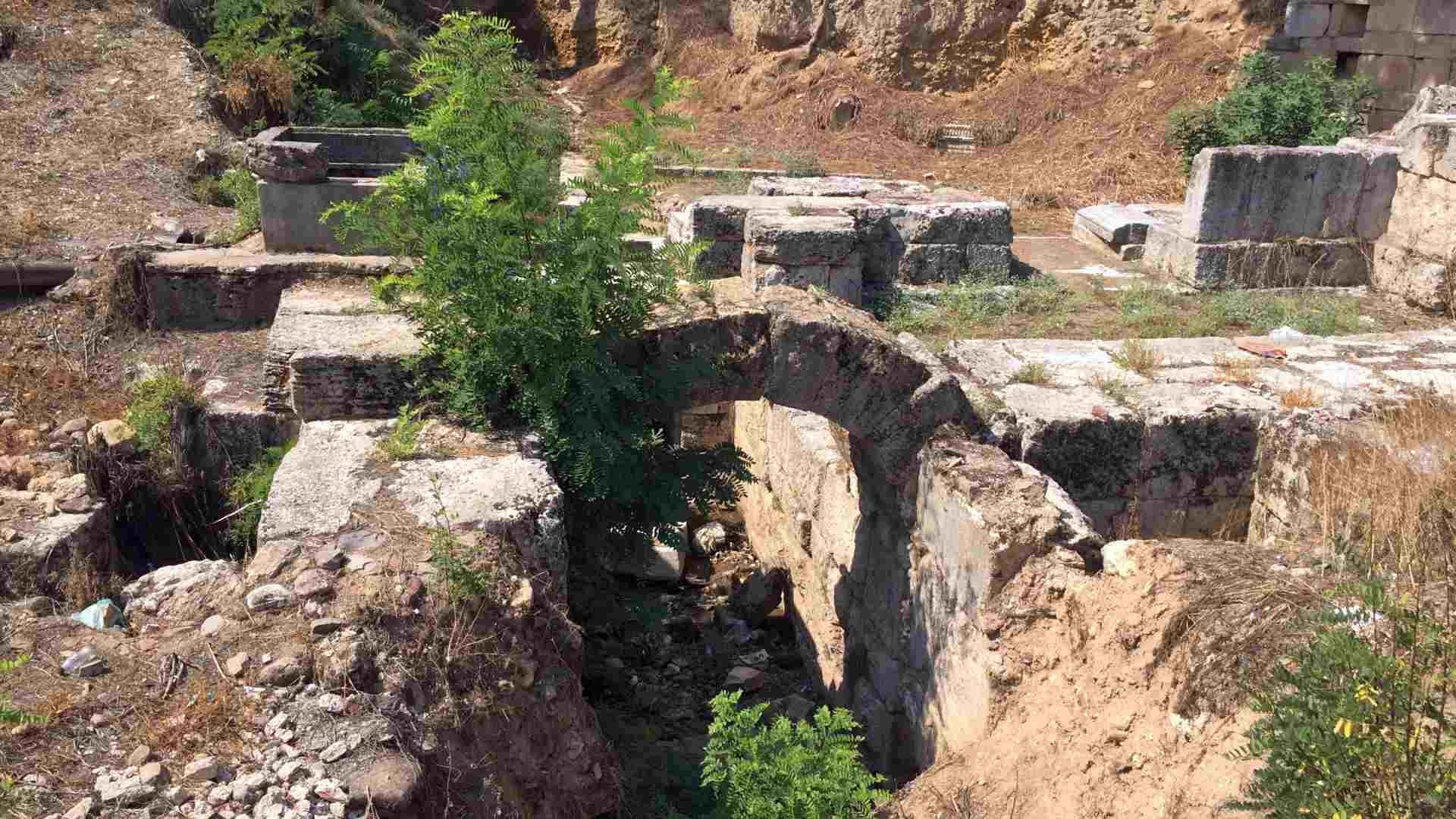
Destroyed in AD 17, aftershocks continued for decades. “I will make the overcomer a pillar in the temple of my God, and he shall go out no more” was the most comforting promise imaginable promise.
Philadelphia’s Byzantine Church
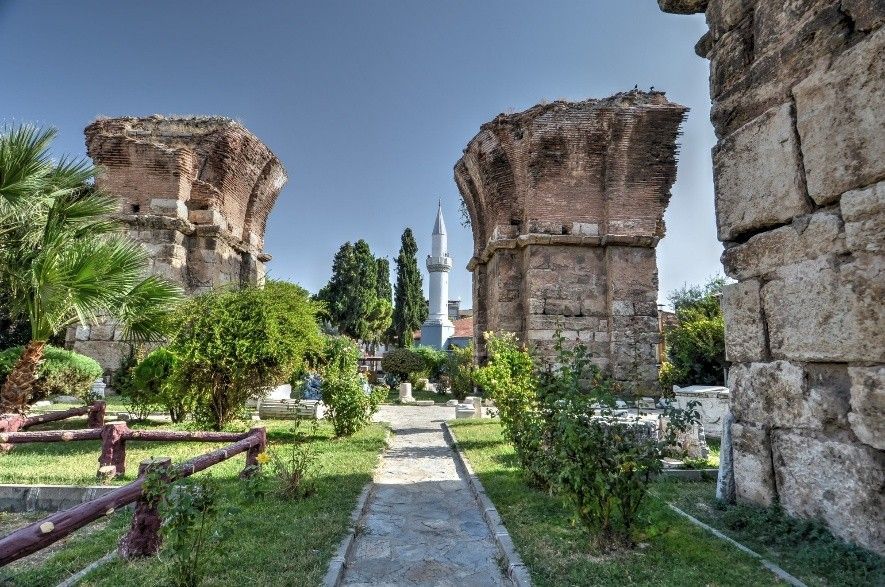
A 6th-century basilica was built here with columns literally inscribed with Revelation 3:12. The promise became the church’s foundation.
False Apostles, Wolves in Sheep’s Clothing and the “Synagogue of Satan”
The Biblical Pattern of Deception from Within
When Jesus speaks the phrase “the synagogue of Satan” in Revelation 2:9 and 3:9, He is not making a statement about Jewish people as a whole. Every apostle, including Jesus Himself, was Jewish. The New Testament repeatedly affirms that God’s covenants with Israel stand forever (Romans 11:29). The phrase is never applied to Judaism or the Jewish people broadly, then or now.
Instead, Jesus uses sharp prophetic rhetoric (the same style He used in John 8:44 when He called certain opponents “children of the devil”) to describe a specific group in Smyrna and Philadelphia who claimed to speak for God while actively opposing God’s people and serving Satan’s purposes. In these two cities, historical evidence shows that some local opponents (whatever their claimed identity) were slandering Christians to Roman authorities, trying to get them arrested or killed.
The New Testament is full of the same warning about deception that comes from within the covenant community:
• “They went out from us, but they were not of us” (1 John 2:19)
• “False apostles… disguising themselves as apostles of Christ… for even Satan disguises himself as an angel of light” (2 Corinthians 11:13–15)
• “Beware of false prophets, who come to you in sheep’s clothing but inwardly are ravenous wolves” (Matthew 7:15)
• “Grievous wolves will enter in among you, not sparing the flock… from among your own selves will arise men speaking twisted things” (Acts 20:29–30)
This is the consistent biblical pattern: the most dangerous deception is not open paganism, but people who wear the name of Christ (or claim to represent God’s historic people) while secretly serving darkness.
We have always seen this reality, and we still see it today. There are individuals, and sometimes entire ministries or churches, that:
• maintain beautiful websites
• quote Scripture fluently
• have reputations for being “Bible-believing” or “historic”
• yet in private (or sometimes not so privately) practice occult rituals, abuse power, manipulate followers, or serve Satan’s agenda.
The “synagogue of Satan” language is Jesus’ way of naming that exact phenomenon: a group that claims divine authority while functioning as Satan’s mouthpiece. It is theological language about allegiance, not ethnic language about ancestry.
Our response is not suspicion of every leader or every church. Our response is sober, biblical discernment:
• Test everything by Scripture (Acts 17:11)
• Examine fruit over many years (Matthew 7:15–20)
• Refuse to be impressed by reputation alone (Revelation 3:1)
• Protect the flock when wolves are exposed
And above all, cling to the true Shepherd who lays down His life for the sheep, who walks among the lampstands, who knows everything, and who will never let even one little one be snatched from His hand.
Discussion Questions
1. Where have you seen “wolves in sheep’s clothing” do the most damage to God’s people?
2. How can we grow in loving discernment without becoming cynical or suspicious of every leader?
3. Read 2 Corinthians 11:13–15 aloud. Why do you think Satan’s most effective strategy is imitation rather than open opposition?